
Regional Workshop on
Enhancing Policies and Countermeasures
Against IUU Fishing in Southeast Asia
"Workshop" Room
Sakura Room
Floor L
Contact Person
Technical Matters
Ms. Yanida Suthipol
yanida@seafdec.org
Contact Person
Administrative Matters
Mr. Phoottipong Boonnork
phoottipong@seafdec.org
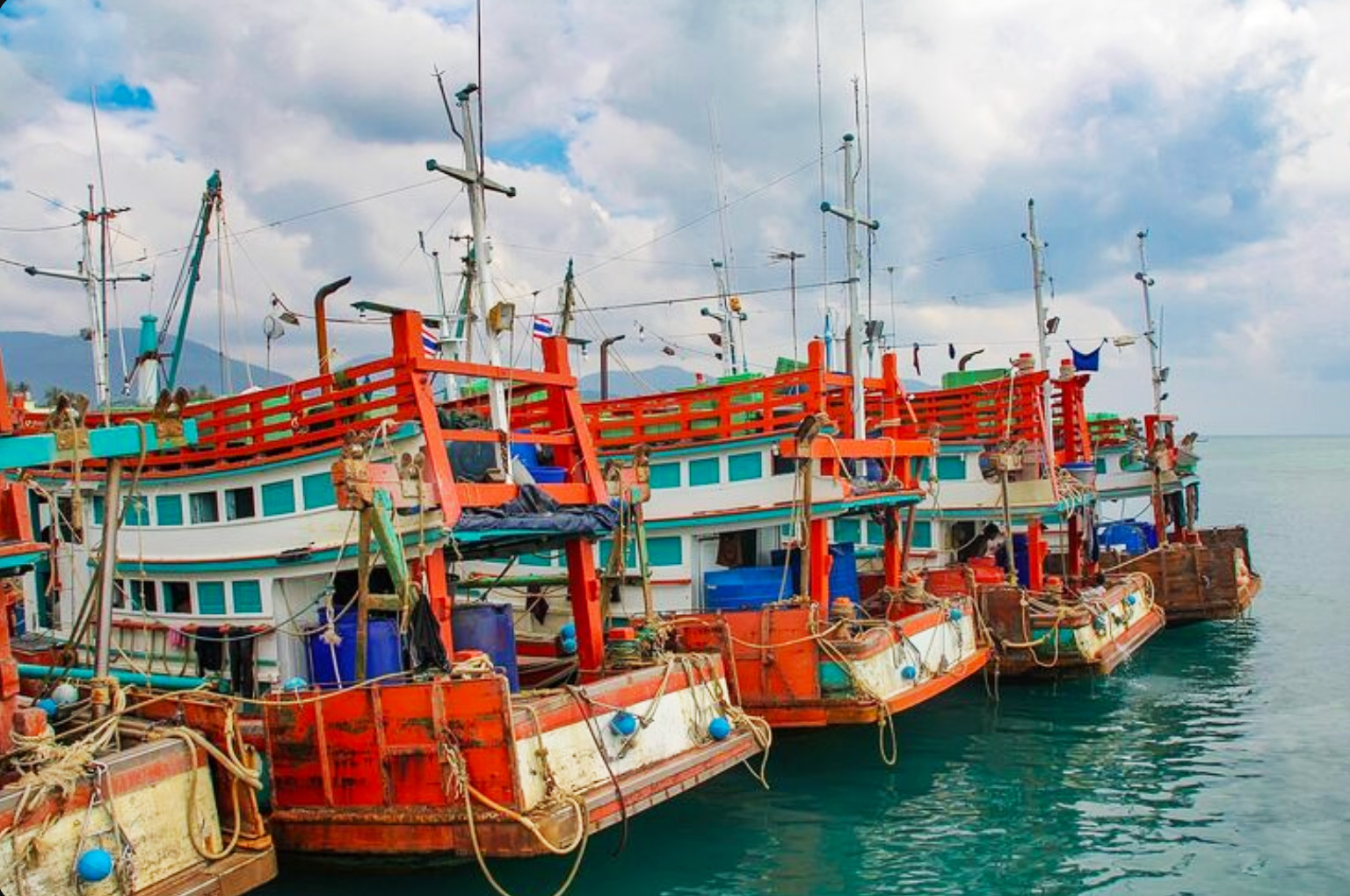
Illegal, Unreported, and Unregulated (IUU) fishing is a major international issue affecting the sustainability of fisheries resources both within national jurisdictions and on the high seas. Operating outside legal frameworks, this illegal practice undermines sustainable fisheries management, depletes fish stocks, and hinders conservation efforts. Southeast Asian countries face increasing pressure on their fisheries resources due to IUU fishing, which is often linked to insufficient management and a lack of Monitoring, Control, and Surveillance (MCS). Consequently, these countries must prioritize preventive measures, such as regulating fishing vessels, addressing fleet overcapacity, and implementing effective rights-based fisheries systems. Because IUU fishing undermines national and regional conservation efforts and places responsible fishers at a disadvantage, urgent and transparent action is required.
ASEAN Member States (AMSs) need to strengthen their initiatives to combat IUU fishing. However, because IUU fishing is a complex, multi-faceted problem, it cannot be solved by any single country alone. It requires close inter-country cooperation to execute effective countermeasures. More importantly, enhancing the capacity of fisheries officers in AMSs who are involved in these processes is essential to ensure successful implementation
In support of these efforts, the ASEAN-JICA Capacity Building Project on IUU Fishing Countermeasures in Southeast Asia was established under the Agreement on Technical Cooperation between ASEAN and the Government of Japan (the ASEAN-JICA cooperation framework), in collaboration with SEAFDEC. This project aims to improve AMSs' understanding of the practices and actions necessary to deter IUU fishing, encourage tangible countermeasures tailored to each country, and strengthen concrete responses based on specific national issues through targeted training and capacity-building workshops.
In 2024, SEAFDEC in collaboration with AMSs identified nine priority areas for future action to combat IUU fishing for future actions. The nine priority areas for future action as follows: 1) Vessel monitoring systems, 2) Strengthening MCS, 3) Enhancing regional cooperation on IUU information sharing, 4) Addressing encroachment of foreign vessels, 5) Strengthening traceability of fish and fishery products, 6) Developing national and regional estimates of IUU losses, 7) Strengthening evidence collection and prosecution procedures to improve the deterrence effect, 8) Monitoring transshipment activity, and 9) Legal and regulatory reform.
SEAFDEC has utilized several of these priority areas to guide its implementation and support for AMSs. To harmonize these efforts and continue addressing the direct needs of AMSs, a review of these future policies and actions will be conducted through the "Regional Workshop on Enhancing Policies and Countermeasures Against IUU Fishing in Southeast Asia."