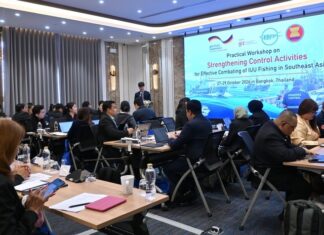


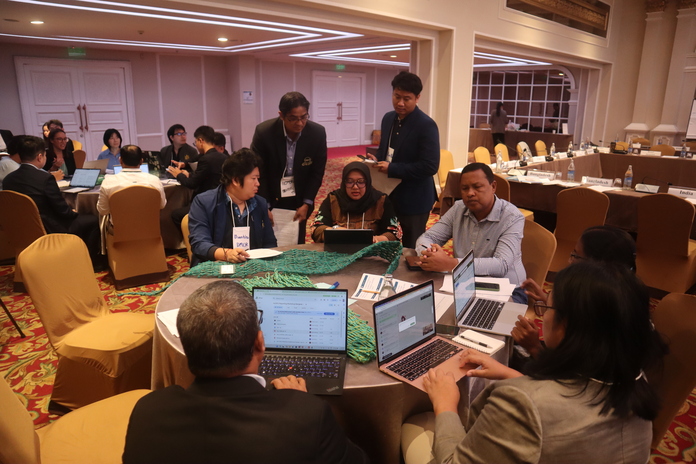
The Southeast Asian Fisheries Development Center (SEAFDEC), in collaboration with the Food and Agriculture Organization of the United Nations (FAO) and the International Maritime Organization (IMO) under the Regional Litter (RegLitter) Project, is hosting the Workshop on the Development of a Regional Guideline and Template for Abandoned, Lost or Otherwise Discarded Fishing Gear (ALDFG) Reporting in Southeast and South Asia from 28 to 30 October 2026 in Bangkok, Thailand.
The workshop brings together 45 participants, comprising 42 in-person participants (21 female and 21 male) and three online participants (two female and one male), representing national fisheries and maritime authorities, regional organizations, and international partners. It provides a platform for exchanging experiences and strengthening regional cooperation to improve the monitoring and reporting of ALDFG.
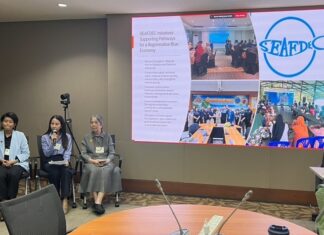
The opening session featured welcome remarks by Mr. Isara Chanrachkij, Head of the Project Planning and Management Division (PPMD), representing the SEAFDEC Secretary-General, followed by remarks from Mr. Rajdeep Mukherjee, Policy Analyst, representing the Bay of Bengal Programme Inter-Governmental Organisation (BOBP-IGO). The opening remarks were delivered by Dr. Angela Lentisco, Field Programme Officer, representing the FAO Regional Office for Asia and the Pacific (FAO RAP) and Lead Technical Officer of the BOBLME II project.
The workshop responds to priorities identified by participating countries under the IMO OceanLitter Programme’s RegLitter Project, which aims to prevent and reduce marine plastic litter originating from maritime and fisheries activities. Countries have highlighted the need to strengthen national monitoring programs and harmonize data collection methods to enable meaningful comparisons and coordinated regional action.
Discussions focus on international and regional frameworks for ALDFG reporting, including the International Convention for the Prevention of Pollution from Ships (MARPOL) Annex V, the 2025 IMO Action Plan to Address Marine Plastic Litter from Ships, and the FAO Voluntary Guidelines on the Marking of Fishing Gear. Participants are working collaboratively to develop a draft regional guideline and reporting template for ALDFG, together with a roadmap identifying priority actions, required support, and indicative timelines for finalization and potential national implementation.
ALDFG poses significant threats to marine ecosystems, fisheries resources, and coastal livelihoods. Improved and harmonized reporting can help countries better understand the scale, distribution, and causes of fishing-gear-related pollution and support more effective prevention, retrieval, and management measures.
The workshop also contributes to the Bay of Bengal Large Marine Ecosystem Project Phase II (BOBLME II), particularly Component 3 on the management of coastal and marine pollution. Through collaboration among SEAFDEC, FAO, IMO, BOBP-IGO, and participating countries, the initiative aims to strengthen national capacities and promote coordinated regional action toward reducing marine pollution and achieving healthier, more sustainable marine ecosystems.