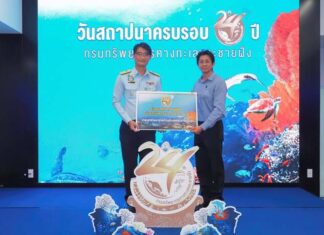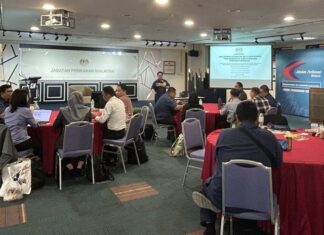



SEAFDEC Training Department (SEAFDEC/TD), under the ASEAN–JICA Capacity Building Project on IUU Fishing Countermeasures in Southeast Asia, organized the Training Course on Responsible Fishing Technologies/Practices to Combat IUU Fishing in Southeast Asia from 18 to 27 August 2026 in Bangkok and Chon Buri, Thailand. The course, supported by the Japan International Cooperation Agency (JICA), was attended by 18 participants (5 women and 13 men) from the ASEAN Member States, who were officers in charge of IUU fishing countermeasures within their fisheries administrations as well as officers responsible for fishery management and fishing gear. The opening session was addressed by Mr. Yohei Namazu, Representative of the JICA Thailand Office, and officiated by Ms. Panitnard Weerawat, Head of the Research and Development Division of SEAFDEC/TD, on behalf of Ms. Sampan Panjarat, Secretary-General of SEAFDEC and Chief of the Training Department.
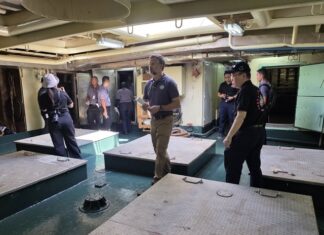
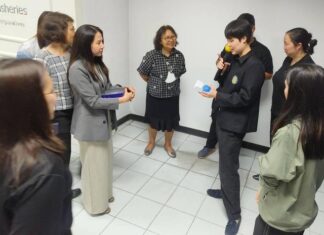
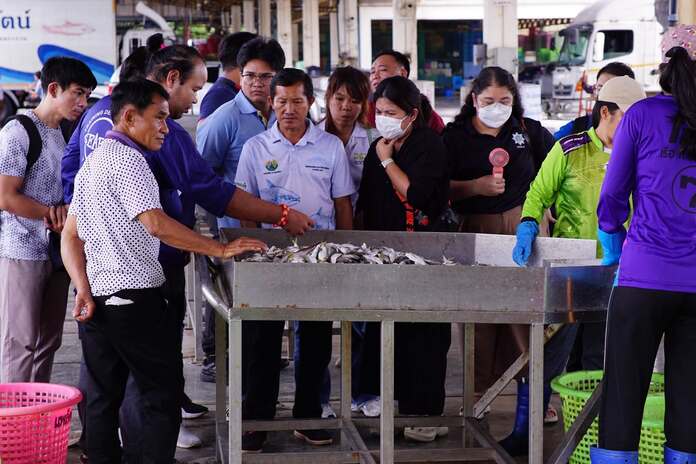
The ten-day programme covered recent international issues on IUU fishing, SEAFDEC countermeasure tools including the electronic ASEAN Catch Documentation Scheme (eACDS), Port State Measures (PSM) and the Regional Fishing Vessel Record (RFVR), the main fishing gears, vessels and species of the region, the marking of fishing gear, and the inspection of fishing vessels and gears, together with country reports presented by the participants. It was complemented by a hands-on session on the measurement of fishing gear specifications, observation trips to the Samut Sakhon Fish Market and the Fisheries Monitoring Center (FMC), observation of the Port In–Port Out (PIPO) control in Chon Buri, and on-site training at sea aboard a patrol vessel of the Department of Fisheries around Sattahip.
The lectures and practical sessions were delivered by resource persons from SEAFDEC/TD, the Department of Fisheries of Thailand, and Kasetsart University.
Upon completion of the course, the participants were expected to be able to apply the knowledge and practical skills gained to carry out the inspection of fishing vessels and fishing gears in their respective countries with confidence, thereby supporting the strengthening of monitoring, control and surveillance measures and the promotion of responsible fishing operations in Southeast Asia.