


What is The MARPOL?
The International Convention for the Prevention of Pollution from Ships (MARPOL) is the main international convention covering prevention of pollution of the marine environment by ships from operational or accidental causes.
The current convention, often called MARPOL 73/78, it was adopted on 2 November 1973 at IMO. The Protocol of 1978 was adopted in response to a spate of tanker accidents in 1976-1977. As the 1973 MARPOL Convention had not yet entered into force, the 1978 MARPOL Protocol absorbed the parent Convention. The combined instrument entered into force on 2 October 1983. In 1997, a Protocol was adopted to amend the Convention, and a new Annex VI was added which entered into force on 19 May 2005. MARPOL has been updated by amendments through the years.
What is The MARPOL?
The Convention includes regulations aimed at preventing and minimizing pollution from ships both accidental pollution and that from routine operations and currently includes six technical Annexes. Special Areas with strict controls on operational discharges are included in most Annexes.
How Does IMO’s Marine Protection Treaty Make a Difference?
The MARPOL Convention contains six annexes.
- Annex I: Regulations for the prevention of Pollution by Oil from ships. Entered into force on 2 October 1983
- Annex II: Regulations for the control of Pollution by Noxious Liquid Substances (NLS). Entered into force on 6 April 1987
- Annex III: Regulations for the prevention of Pollution by harmful substances in packaged form. Entered into force on 1 July 1992
- Annex IV: Regulations for the prevention of Pollution by Sewage from ships. Entered into force on 27 September 2003
- Annex V: Regulations for the prevention of Pollution by Garbage from ships. Entered into force on 31 December 1988
- Annex VI: Regulations for the prevention of Air Pollution from ships. Entered into force on 19 May 2005
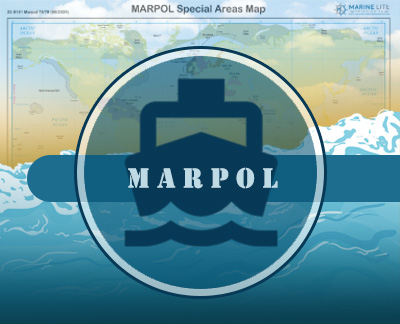
Special Areas by MARPOL Annex
Special Areas under the MARPOL Convention are specific marine regions that require stricter controls on operational discharges from ships. These areas are designated by the International Maritime Organization (IMO) because their unique ecological conditions, oceanography, or heavy sea traffic make them exceptionally vulnerable to pollution.
- Annex I (Oil): Sea, Baltic Sea, Black Sea, Red Sea, North Sea, Gulf of Aden, Gulf of Oman, Antarctic Area, South African waters.
- Annex II (Noxious Liquid Substances): Antarctic area (south of 60°S).
- Annex IV (Sewage): Primarily the Baltic Sea (for passenger ships).
- Annex V (Garbage): Mediterranean Sea, Baltic Sea, Black Sea, Red Sea, North Sea, Wider Caribbean Region, Antarctic Area.
- Annex VI (Air Pollution): Known as Emission Control Areas (ECAs), including the Baltic Sea, North Sea, North American ECA, and US Caribbean Sea ECA, restricting.