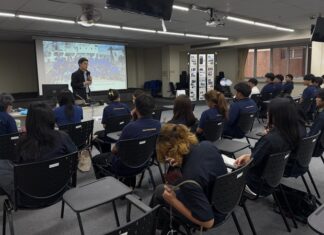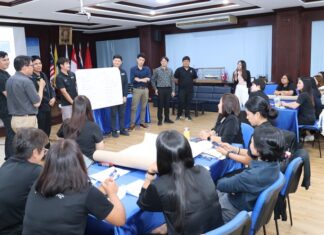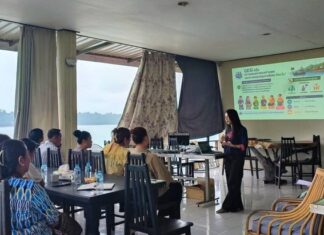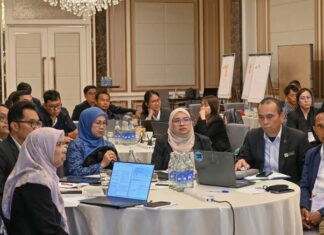


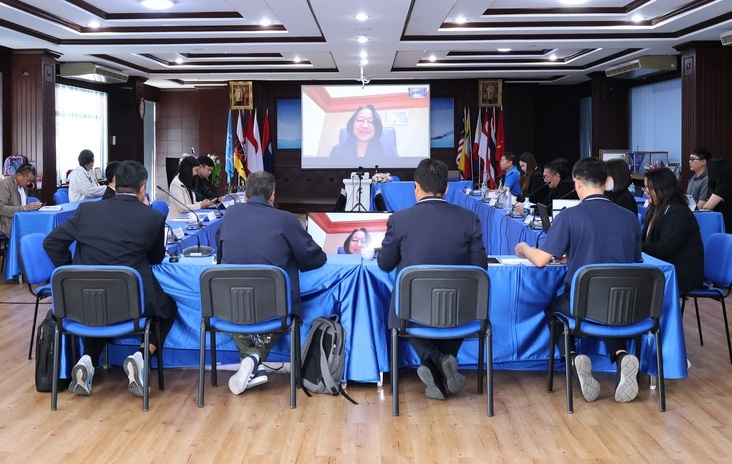
The Southeast Asian Fisheries Development Center, Training Department (SEAFDEC/TD), under the Bay of Bengal Large Marine Ecosystem Phase II (BOBLME II) Project, organized the National Consultation Meeting on the Development of the National Guideline for Waste and Pollution Management at Fishing Ports in Thailand on 28 August 2026 at SEAFDEC/TD, Thailand. The meeting brought together representatives from the Department of Fisheries, Fish Market Organization, Marine Department, Department of Marine and Coastal Resources, Fisheries Associations of Thailand, and SEAFDEC/TD.
Participants reviewed the current status and challenges of waste and pollution management at fishing ports, including solid and hazardous waste, wastewater, oil spills, marine debris, abandoned fishing gear, and environmental monitoring. The consultation also considered relevant international standards and best practices, including MARPOL Annex V, the FAO Code of Conduct for Responsible Fisheries, and the IMO-FAO GloLitter Partnerships Project.
The one-day consultation provided an important platform for stakeholders to exchange perspectives and develop a shared understanding of priorities for strengthening environmental management at fishing ports. During the afternoon session, participants engaged in intensive brainstorming and discussion on port reception facilities, hazardous waste management, wastewater and effluent standards, oil spill prevention and response, marine debris and plastic pollution reduction, environmental monitoring and certification, and inter-agency coordination for pollution enforcement.
The outcomes of the meeting will contribute to the development of a draft framework for the Waste and Pollution Management component of the National Guideline on Fishing Port Standards and Fishing Port Management. The initiative is expected to strengthen environmental standards, improve inter-agency coordination, reduce pollution from fishing port operations, and support Thailand’s transition toward environmentally responsible and sustainable fisheries and a sustainable blue economy.