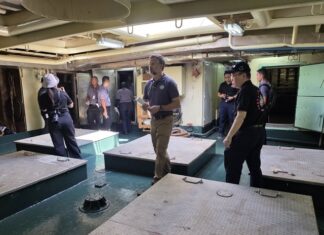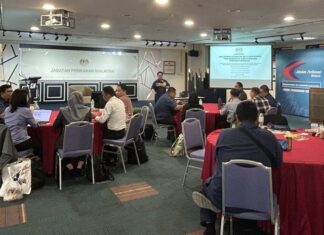



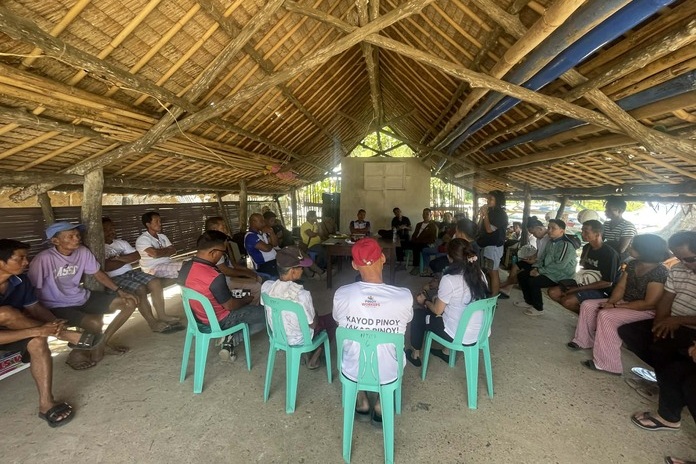
The Training Department of the Southeast Asian Fisheries Development Center (SEAFDEC/TD), in collaboration with the Bureau of Fisheries and Aquatic Resources (BFAR), Philippines, conducted a field study on the squid supply chain in Calauit Island, Busuanga, Palawan, Philippines, from 23 to 27 March 2026. This activity forms part of the project “Improving Fishers’ Livelihood and Fisheries Co-Management in Inland and Coastal Small-Scale Fisheries (2025–2029),” supported by the Japanese Trust Fund VII (JTF7).
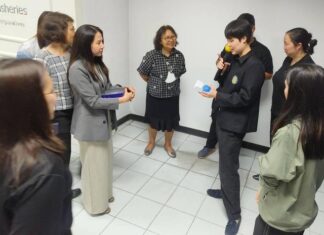
The initiative aims to strengthen small-scale fisheries supply chains, enhance fishers’ income, and promote social equity. Specifically, the study seeks to: (1) map and analyze the structure, functions, and key actors along the squid supply chain from harvesting to final consumption; and (2) identify key constraints affecting production, processing, distribution, and market access. The survey engaged approximately 60 respondents, including fishers, middlepersons or retailers, processors, resort and restaurant operators, souvenir shop owners, and consumers. In addition, the team visited the Municipal Office and the Local Government Unit (LGU) to introduce the study objectives and obtain relevant inputs and recommendations.
The outputs of the study will include a comprehensive field report and supply chain analysis, which are expected to support efforts in improving operational efficiency, strengthening community resilience, and promoting sustainable and inclusive fisheries development across Southeast Asia.